How Many Sets and Reps You Really Need to Grow

Most people do too much work in the gym and get very little muscle for it. You might think doing twenty sets for your chest is the fast way to get big but it usually just makes you tired. The truth is that you only need a specific amount of hard work to tell your body to grow.
To build muscle, you should aim for ten to twenty hard sets per muscle group every week. For most lifts, stay between six and twelve reps while making sure the last few reps are very difficult. This balance keeps you strong without burning out your joints or your brain. If you do more than this, you are often just doing junk volume that does not add any real size.
The magic number for muscle growth
The total amount of work you do is called volume. Think of your body like a sponge that can only hold so much water before it starts to leak. If you do too many sets, your body cannot recover fast enough to build new muscle. I once saw a guy do twelve sets of curls in one day and his arms stayed the same size for a year. He was doing too much and recovering too little.
For most lifters, three to four sets per exercise is plenty. If you do three exercises for your back, that is nine to twelve sets in one workout. That is right in the sweet spot for growth. You want to feel the muscle working but you should not feel like you need a nap right after your first movement. Quality beats quantity every single time in the gym.
If you want to know more about the science of this, check out this guide on How Many Sets and Reps You Really Need to Grow to see how the numbers change as you get more advanced. Beginners can grow on very little work because everything is a new stress to their body. Regular lifters need a bit more to keep things moving forward.
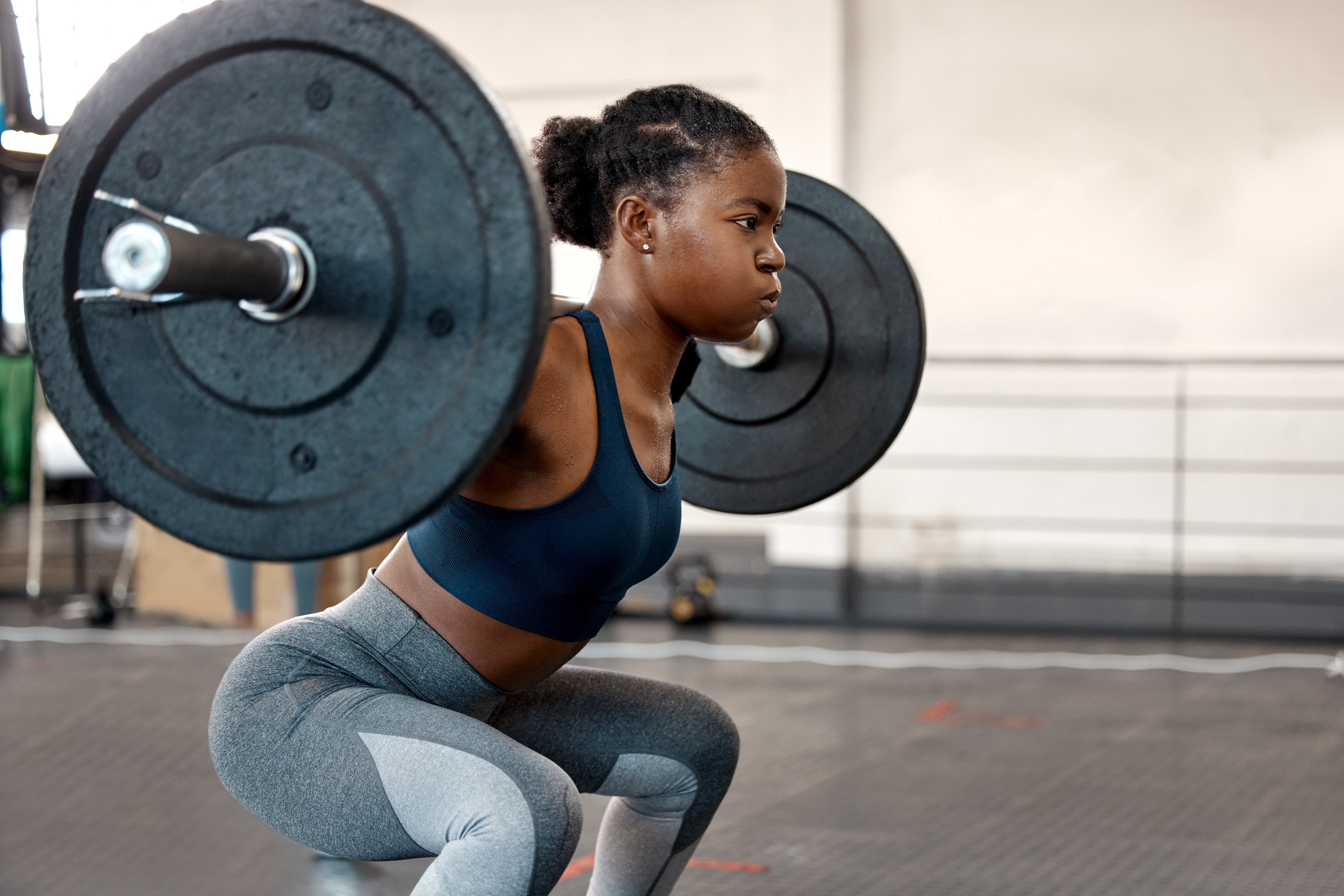
How many reps should you do for size
You have probably heard that low reps are for strength and high reps are for endurance. This is mostly true but the middle ground is where muscle grows best. Six to twelve reps is the classic range for a reason. It lets you use a weight that is heavy enough to challenge the muscle fibers but light enough to keep your form perfect. You can learn more about the basics of strength training to see how different rep ranges affect your bones and nervous system.
When you do five reps or fewer, you are mostly training your brain to move heavy weight. This is great for powerlifters who want to lift a house. When you go over fifteen reps, you are building stamina. For a big chest or wide shoulders, staying in that middle zone works best. I tell my clients to pick a weight they can do for eight reps with good form. Once they can do twelve reps easily, it is time to add more weight.
Rest times matter here too. If you are doing eight reps, wait about two minutes before the next set. This gives your muscles enough time to clear out waste and get ready for the next push. If you only wait thirty seconds, you will be too tired to lift the same weight. You want every set to be high quality so don't rush the clock.
How many sets per week is best
This is where things get interesting for your schedule. You don't have to do all your sets for one muscle on the same day. In fact, it is often better to split them up. If you need fifteen sets for legs, doing five sets three times a week is often better than doing all fifteen on Monday. Your legs will stay fresher and you can lift heavier weights in every session.
I knew a lifter named Mike who did "Leg Day" once a week with twenty sets. By set ten, he was so tired he was barely moving the weight. When he switched to two leg days a week with ten sets each, his squats went up by fifty pounds in two months. His body had a chance to recover and work harder during the actual sets. You can read more about how many sets and reps you need to plan your weekly split the right way.
Try to hit each muscle group twice a week. This keeps the muscle building signal turned on all the time. If you only train a muscle once a week, that growth signal drops off after two days. That leaves four days where that muscle is just sitting there doing nothing. Spread the work out to keep the gains coming in.
The danger of doing too much
More is not always better in the gym. There is a point where more sets actually start to hurt your progress. This is called overtraining. When you do too much, your stress hormones go up and your sleep starts to suffer. You might find that you feel cranky or you don't want to go to the gym at all. That is your body telling you to slow down.
Safety is the most important part of any plan. If you are doing your twentieth set of the day, your focus will be low. That is when you drop a weight or pull a muscle. A focused forty-five minute workout is much safer than a two-hour marathon where you are dragging your feet. Watch your energy levels. If you feel like you are just going through the motions, stop and go home.
Bodybuilders spend years learning how to feel their muscles. You can look into the history of bodybuilding to see how the greats balanced heavy weights with high volume. They didn't just lift until they collapsed. They lifted with a plan. They knew when to push and when to back off. You should do the same to keep your joints healthy for the long run.
How to tell if your sets are hard enough
A set only counts if it is hard. If you pick up ten pound dumbbells and do ten reps but you could have done fifty, that set did nothing for your growth. You need to be close to "failure." Failure is the point where you cannot do another rep with good form. You don't have to hit failure on every set, but you should be within one or two reps of it.
Try this test. Pick a weight you think is your "ten rep max." Do as many reps as you can until you can't do another one safely. If you get to fifteen, your "hard sets" weren't actually hard enough. You need to increase the weight. Most people leave too much in the tank. Be honest with yourself about how hard you are working.
Practical examples for your next workout
Let's look at a simple arm day. If you want bigger biceps and triceps, don't do five different curls. Choose two good bicep moves like a barbell curl and a hammer curl. Do three sets of eight to ten reps for each. That is six sets total. For triceps, do three sets of dips and three sets of cable pushdowns. That is another six sets.
Total work for the day is twelve sets. If you do this twice a week, you are hitting twenty-four sets for your arms. That is more than enough to see a real change in the mirror. You will leave the gym with a great pump but you won't be so sore that you can't brush your teeth the next morning. It is about being smart with your energy.
For bigger muscles like the back or legs, you might need a little more. You could do four sets of squats, three sets of leg presses, and three sets of leg curls. That is ten sets in one go. Do that twice a week and your legs will grow. The key is to track your numbers. If you did ten reps with 100 pounds last week, try for eleven reps or 105 pounds this week. Small wins add up to big muscles over time.
What about rest times for different goals
If you want to get as strong as possible, you need long rests. Think three to five minutes. This lets your energy stores refill completely. If you want to get big muscles, one to two minutes is usually enough. You want the muscle to stay a bit tired so it has to adapt. If you are training for general health, even ninety seconds is fine.
Use a timer on your phone or the gym clock. Don't just guess. It is easy to get distracted by your phone and wait five minutes by mistake. When that happens, your heart rate drops and you lose the intensity. Keep yourself on a schedule. It makes the workout faster and more effective. You will be surprised how much harder a workout feels when you actually stick to sixty second rests.
What is one change you can make to your routine today? Maybe you need to cut out two extra exercises that aren't doing anything. Or maybe you need to add a little weight so those ten reps feel truly hard. Pick one thing and try it for the next two weeks. You might find that doing less work actually gives you the results you have been looking for.


Comments
Post a Comment